Breathing, physical activity and talking about it are great ways to help deal with anger or stress. That said, sometimes when anger or stress builds up inside, you just want to scream. Handled correctly, this can be a therapeutic way to vent some of that frustration (though we would still encourage you to find someone you trust afterwards to talk to about it). Screaming however is not always socially acceptable. Maybe you’re in a public place where screaming would cause alarm or perhaps your parent just doesn’t get it or takes it personally when you you let anger out by screaming. What should you do then? That’s where the Scream Box comes in handy.
I Am A Child of Divorce is a proud part of Hope 4 Hurting Kids and we’ve decided to move this article to that page as we continue to build a repository of resources for children of divorce and children and teens who have experienced a variety of other traumatic events in their lives. We hope that you will check it out there!
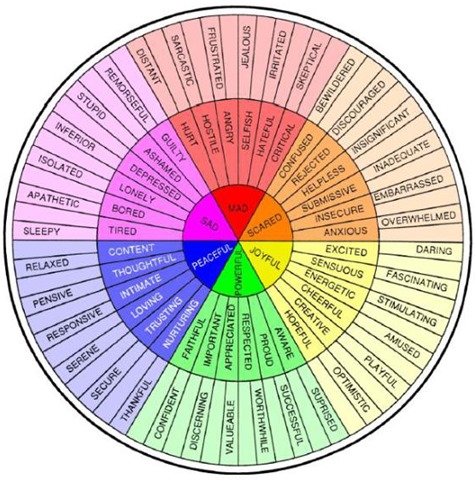
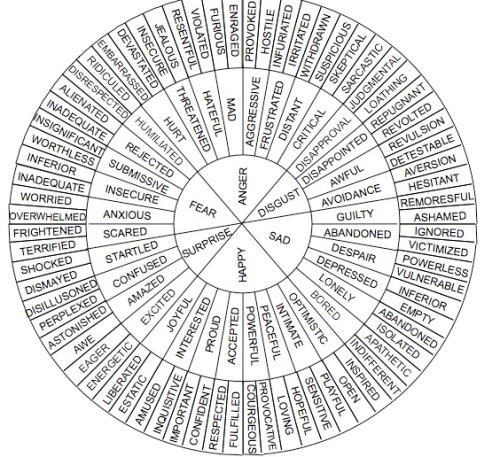
Emotion wheels can be great tools for helping you to figure out what your feeling, introduce you to new emotions and help you to figure out what emotions might be underlying why you’re feeling.
This first wheel was created by Dr. Gloria Wilcox who is a licensed Marriage and Family Therapist in St Petersburg, Florida. It is a great tool for identifying emotions you might be feeling following the dissolution of your parents’ relationship. Emotions are grouped into six broad categories including Sad, Mad, Scared, Peaceful, Joyful and Powerful.
This second wheel is not quite as colorful but includes even more emotion words to broaden your emotion vocabulary. We found it originally on http://makalaonlife.tumblr.com.
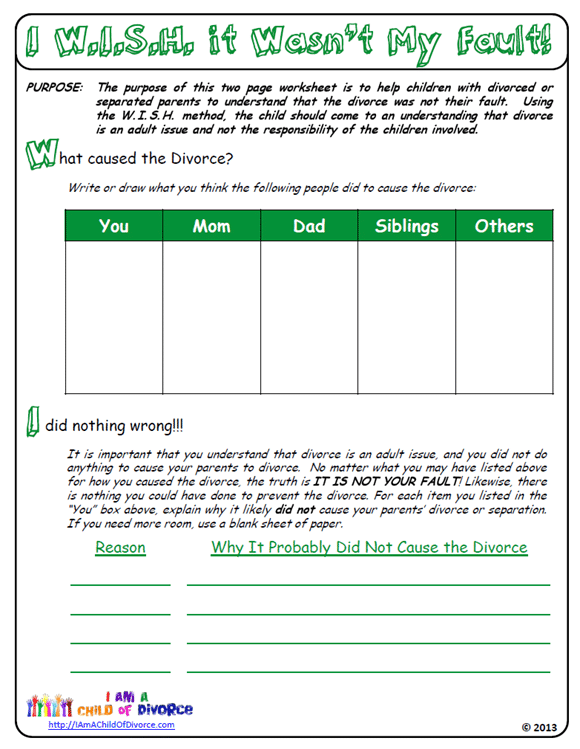
If you are wondering if your parents’ divorce or separation is your fault, you are not alone. Most children of divorce at some point believe that their parents’ split up had something to do with them. Maybe you think if you had behaved better they would still be together. Perhaps you wonder if you weren’t involved in so many extra-curricular activities if they wouldn’t fight so much and would still be together. Maybe something happened on the day your parents told you about the split, and you’re convinced that what you did that day caused them to split up. Regardless of why you think you caused your parents’ divorce, there is one thing that you need to know for certain:
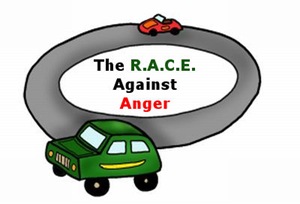
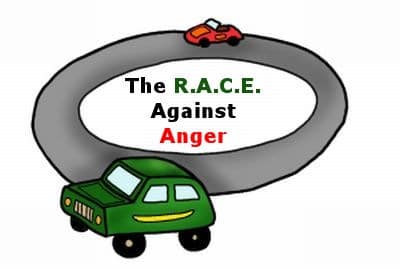
Anger is a very common reaction in children whose parents have separated or divorced. When you do not deal with your anger, it can become very destructive, and when you let it out in the wrong way, you can hurt yourself or someone else or find yourself in trouble. In the past, you may have had people tell you that you need to slow down and pause when you get angry. That’s probably good advice, but today we are going to look at a way to deal with anger that involves speeding up. When you get angry remember to win the RACE against anger with this four step plan:
STEP #1: RECONGNIZE YOUR ANGER
The first step in addressing your anger is to recognize when you are angry. Pay attention to what your body feel like when you get angry. Do your shoulders tense up? What does your face look like when you’re angry? How do you feel deep in your stomach when you’re angry? You might want to use the anger page from our My Feelings Workbook to help you understand how your body reacts to anger. Other things you will want to keep track are the things that make you angry and how angry you get. You can use the Anger-ometer to keep track of this for a week to note patterns in your anger. By understanding your anger, you will be in a better position to deal with it.
STEP #2: ADDRESS YOUR ANGER
It is important that you address any anger that you may be feeling. It is easy to just write off your anger or to bury it deep inside. Both of these options will lead to long term problems. Anger which is not dealt with will only fester and grow until it eventually comes out. Anger buried deep inside and not dealt with is like a volcano just waiting to erupt.
Grief is a process that people go through when they suffer a loss. It is a journey through understanding and dealing with what has happened. The goal of the grieving process is to reach acceptance of the loss that will allow you to move on with life. When your parents separate or get a divorce, it is natural for you to grieve that loss. Grief is not an easy process, but it is a necessary part of healing.
Experts have identified five distinct stages in grief. You may not experience these stages sequentially (meaning one after the other), but you are likely to experience all five stages in dealing with the loss in your life. You may also experiences these different stages numerous times as you continue to get older and understand more and more about life and the loss you have experienced as the result of your parents’ divorce.
Elizabeth Kubler Ross identified five stages of grief that people experience following the death of someone close. These five stages will also apply to processing the losses you have experienced as a result of the divorce. They include:
1. Denial
During this stage you may deny that anything has changed about your family. You don’t talk about it. You try not to think about it. You convince yourself that everything will get back to normal soon. Rather than deal with the emotions and feelings you are experiencing, you push them deep down inside and pretend nothing is going on. You might be wondering why all this is happening to you in the first place. In order to move into the other stages of grief, you must first be willing to admit that you have lost something.
When your parents get divorced, there are plenty of things that can make you feel anxious or afraid. Here are some of things that children of divorce have told us they were afraid of or anxious about:
Moving to a new house or neighborhood
Changing schools
No longer getting to see one parent
Being left all alone
Losing grandparents, aunts & uncles or other family members
That the remaining parent may also leave
Having enough money
Loss of family rituals and traditions
Not knowing where they will live
That their parents will stop loving them too
Parents dating and getting remarried
Loss of family
Being blamed for the divorce
Having to take sides between parents
Disappointing one or both parents
Losing friends
People talking about them or their family
Being put in the middle between parents
Not getting to be a kid anymore
Losing stuff as they move from one place to another
Having to take on additional responsibilities like taking care of younger siblings
Whether or not their own relationships and marriages are doomed to fail
These are just some things that children of divorce may fear or be anxious about. These fears and anxiety can come and go as time passes. Which items from the list apply to you and your situation?
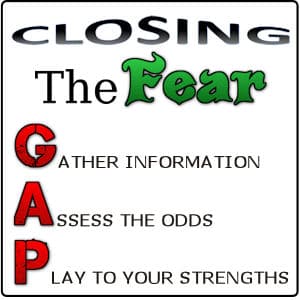
Anxiety and fear are often caused by a lack of information or a plan. In other words, fear often results from gaps – gaps in information, gaps in understanding and gaps in ability. Closing those gaps can help to alleviate some of those fears. One easy to remember method for dealing with your fears and anxieties is known as the “GAP Method.”
The letters in “Gap” spell out the basic steps in the GAP Method which are:
Gather Information,
Assess the Odds; and
Play to Your Strengths.
By using this method, you can help yourself to get over those fears and anxieties and focus your efforts and emotions on more positive things. Let’s look at each step a little bit closer.
GATHER INFORMATION
The biggest thing that feeds many of our fears is the unknown. When we don’t know what is going on or what is going to happen, we don’t feel like we have any control over the situation, and this leads to increased feelings of fear and anxiety. So, the first step in overcoming fears is to gather information. Do some research about the things that scare you. If your biggest fear is having to move to a new neighborhood or school, find out all the information you can about that neighborhood. Where is it? What it is like? Do you have any friends who live in that neighborhood already? What is the new school like? Does it have the same extracurricular activities that you’re currently in? If your biggest fear has to do with not getting to see one of your parents, gather information on that. What visitation schedule has the judge decided on? What is your parents’ plan for making sure that you can see both of them? What other options are available to stay in contact? Talk to your parents about these question. There is an old saying that, “knowledge is power,” and in this case knowledge holds the power to squash your fears.
Divorce brings with it all kinds of different emotions. If your parents are divorced, you already know that. Sometimes you will be sad, sometimes angry, sometimes lonely, and sometimes many other different emotions. But, is it ok to be happy? Shouldn’t you be upset and sad following your parents’ divorce? …at least for a little while?
Some kids are happy following their parents divorce, and that is ok! Maybe your parents fought a lot. That can be very stressful to you as their child, and maybe you are happy that you just don’t have to listen to it anymore. Maybe your Dad pays more attention to you when you spend time together after the divorce than he ever did before. That can definitely make you happy. Maybe you’ve had to move or something else that you view your life like a big adventure, and going on that adventure makes you happy. It doesn’t matter what it is that makes you happy, the important thing to remember is that it is perfectly acceptable for you to be happy following your parents’ divorce. And, no one should tell you otherwise.
When you are happy, enjoy it! Even if you are generally happy with the divorce, there will likely be times when that fades and you’re not so happy anymore. That’s ok too. Sometimes we are happy, and sometimes we are not – that doesn’t change after a divorce. The important thing is that we understand that however we feel, that’s ok. It is also important to recognize how we feel and find someone we trust to talk to about it. So, if you’re happy go find something fun to do and enjoy being happy. There is plenty of time for other emotions at a later time.


 Breathing, physical activity and talking about it are great ways to help deal with anger or stress. That said, sometimes when anger or stress builds up inside, you just want to scream. Handled correctly, this can be a therapeutic way to vent some of that frustration (though we would still encourage you to find someone you trust afterwards to talk to about it). Screaming however is not always socially acceptable. Maybe you’re in a public place where screaming would cause alarm or perhaps your parent just doesn’t get it or takes it personally when you you let anger out by screaming. What should you do then? That’s where the Scream Box comes in handy.
 In an earlier article, we looked at why it is so important to forgive people who have hurt us:
 I Am A Child of Divorce is a proud part of